
Recently, headlines have claimed that fewer young Americans are identifying as transgender or nonbinary — as if transness were a passing fad losing momentum. Conservatives dramatize this shift with triumphalist, alarmist language—words like “fad,” “absolutely craters,” “free fall,” and claims of a “sex-change regime”—and attribute causality to political backlash, detransitioners, and celebrity commentary. To them, we are coming to our senses. We know they are not very intuitive about us or even their own cesspool of bigots. But this narrative misses the truth entirely. Being trans or nonbinary has never been about numbers, trends, or visibility metrics. It’s about authenticity, courage, and the ongoing act of becoming yourself in a world that often demands conformity.
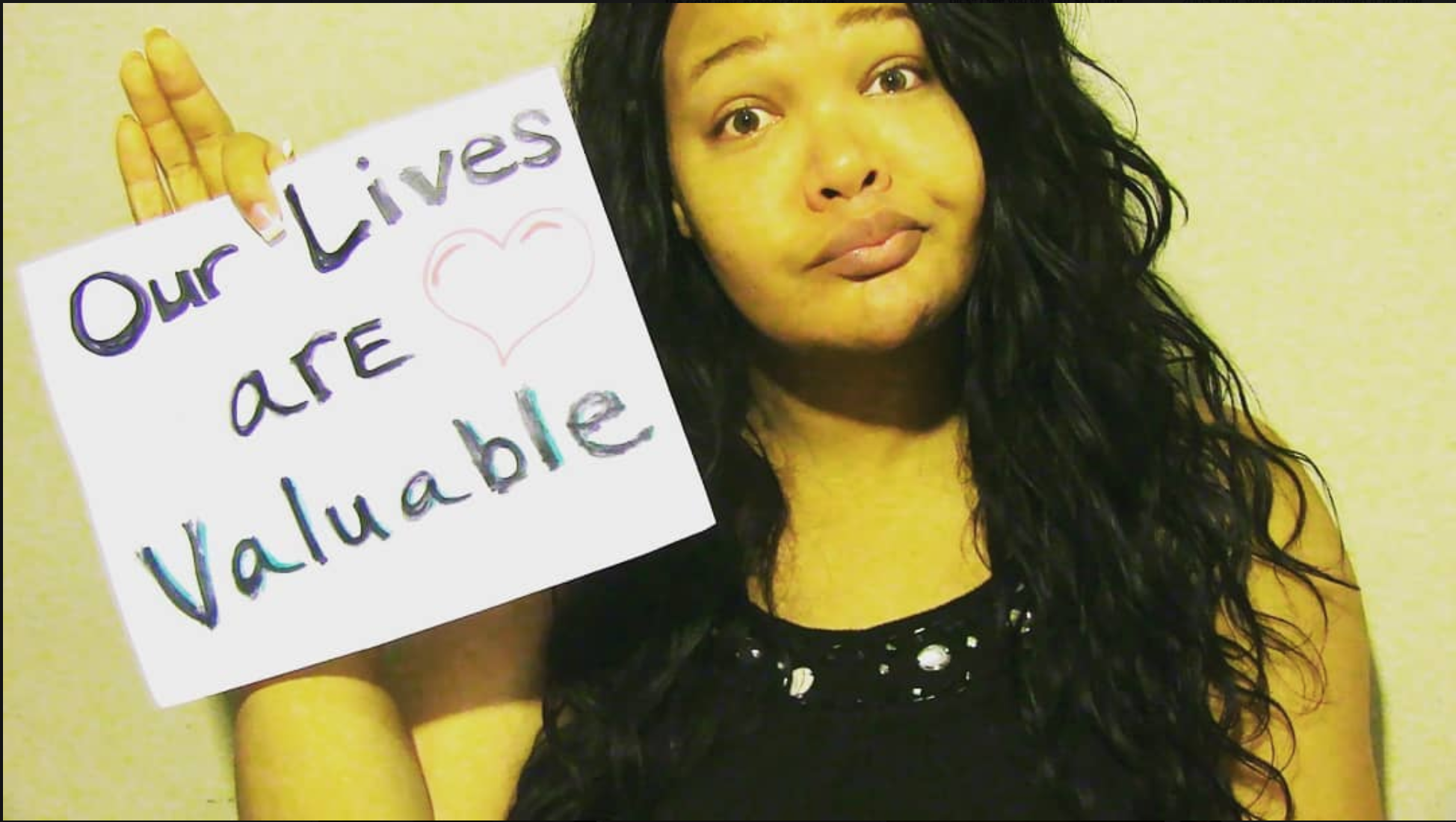
What some interpret as a “decline” in trans identity is, in reality, a reflection of something deeper: the shifting landscape of safety and self-expression. When incompetent leaders target our community by branding us as terrorists , when school boards force the outing of trans youth, when media outlets amplify hate under the guise of “debate,” it’s no wonder some young people feel less safe being visible. But visibility and existence are not the same thing. Fear can quiet voices — it cannot erase them. We always knew that visibility was never the whole story. Yes, visibility has power. It opens doors, challenges, norms, and help us find one another, but it can only go so far we can’t survive on representation alone. True liberation demands more than being seen. It requires systems of care that allow us to live beyond visibility. Off TV and social media. Off the stage in our day to day lives. That means accessible healthcare, stable housing, safe schools, affirming workplace, and community networks that protect the most vulnerable of us. When trans life become politicize survival becomes an act of defiance. Sometimes that means getting quiet and focus on strengthening connections. It is to build conditions where every trans and non-binary person can thrive in public and in private too. It might look like a retreat or even cowardice, but I would say it looks like adapting and evolving. Let us cook. Let us simmer. We knew that having a seat at the table without being allowed to decide what’s being cooked at that table was not power.
A survey might show fewer people identifying openly as trans, but that doesn’t mean there are fewer trans people. It may simply mean that some are choosing self-preservation over disclosure. In many communities, identifying publicly as trans has become riskier, not easier.
Trans and nonbinary identities aren’t new, nor are they Western inventions. Cultures around the world have long celebrated gender diversity — from the Two-Spirit people of Indigenous nations, to the hijra of South Asia, to the fa’afafine in Samoa, to the Lugbara’s trans priests. Our existence predates surveys, politics, and social media. We’ve always been here, and we will continue to be here, even when society looks away. We have the spotlight right now. You are demonizing trans people & immigrants and any minority group bold enough to speak or live in truth. You are attacking our agency over our bodies like the many birthing people before us. And like them, we evolve and find new way to fight and find joy
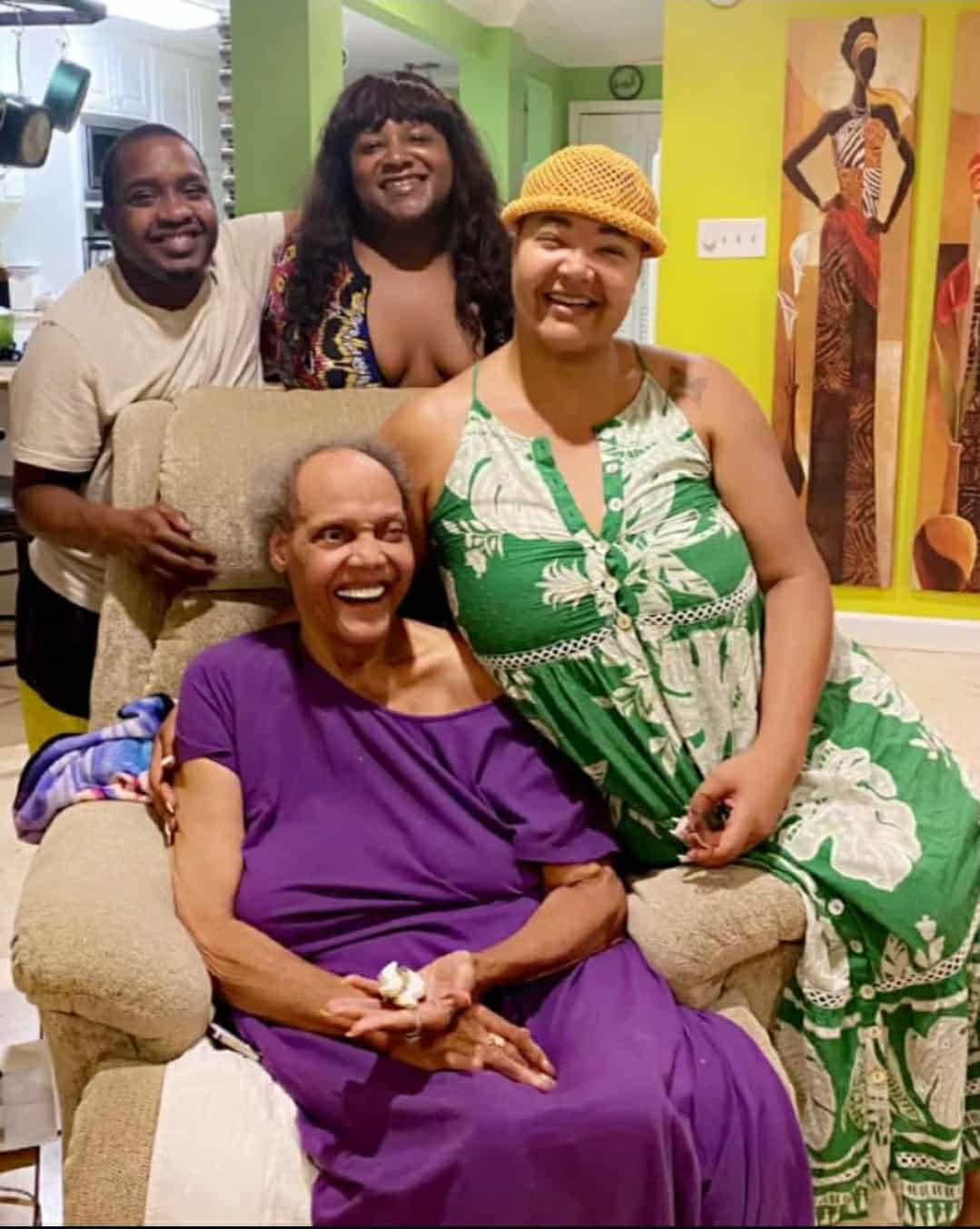
We recently just lost one of our Trans matriarchs, Miss Major, While it is a devastating blow to see her go, I see the beauty in her transition. A trans women living her life on her own terms until almost 80. She didnt die as a fake martyr at the hand of some hateful sniper or some violent shame-filled lover. She died of natural causes in a beautiful home surrounded by people who loved her. A home that she turned into an oasis for trans people to rest. She died free in an oasis just like Assata Shakur. They were beloved.
Transness isn’t only about struggle — it’s about joy. It’s laughter shared in chosen families, the confidence of seeing your reflection finally match your truth, the art and creativity born from trans imagination. Every time a trans person thrives, loves openly, or simply wakes up and keeps going, that’s a radical act of joy. That act not only inspires other trans people, but it also inspires cisgender people to have the courage to be more of themselves on their own terms just like us.
Even in this difficult political moment, trans creativity is everywhere — in music, fashion, online spaces, and mutual-aid networks. Trans joy isn’t vanishing; it’s evolving. It’s becoming more intentional, more rooted, and more communal. It’s less about public validation and more about collective care, resilience, and quiet authenticity. We live through this trans Renaissance that has happened within the past 10 years; New shows, new representation, new awards, red carpets, booming no profits & conferences. It was a new frontier of celebration and expansion across sectors. Now we are seeing the backlash of those moments of joy, but we will survive these uncertain times just like we did before. Carrying each other through.

If you’re trans or nonbinary, know this: your existence is not up for debate. You are not a data point to be measured or minimized. You are part of a lineage of people who have always known how to survive, how to transform pain into pride, and how to dream of and CREATE better futures.
There is power in being visible — but also power in simply existing safely and authentically, in whatever way you can. I know I am here as a result of tactically lowkey Black people waiting for the right time to move, strategically silent women waiting for the right time to speak, and trans ancestors working from the shadows waiting for the right time to come into the light…. all to get me here. Whatever way you choose to show up alive be proud of that. Pride doesn’t always look like a parade; sometimes it looks like choosing to keep living, loving, and imagining. Trans joy doesn’t decline. It shifts, adapts, and continues — just like we do. The headlines might try to define us by numbers, but we define ourselves by love, solidarity, and the simple, stubborn act of being real.
We are still here. Still becoming. Still building the future, one act of courage at a time. And that’s something no statistic can ever measure.

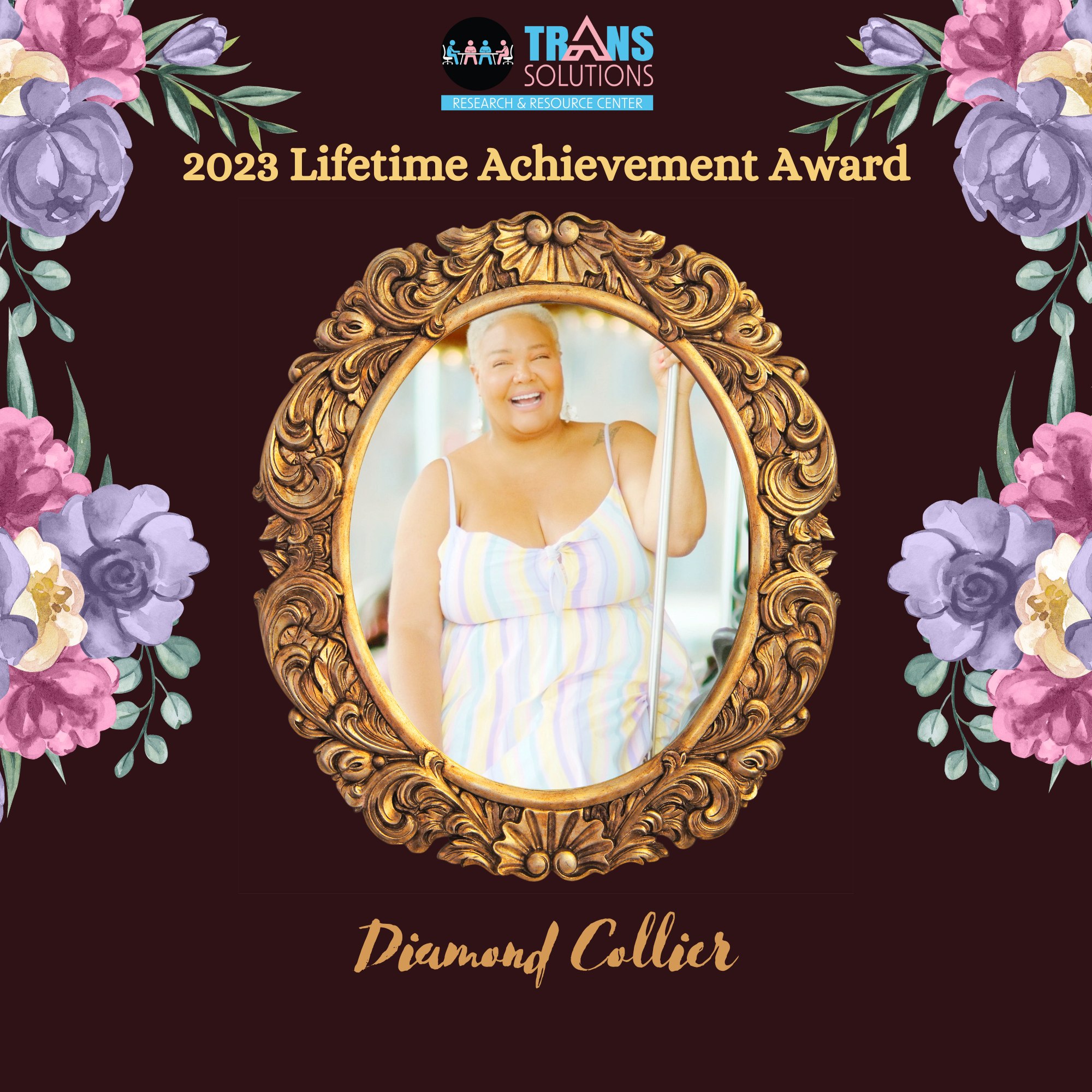

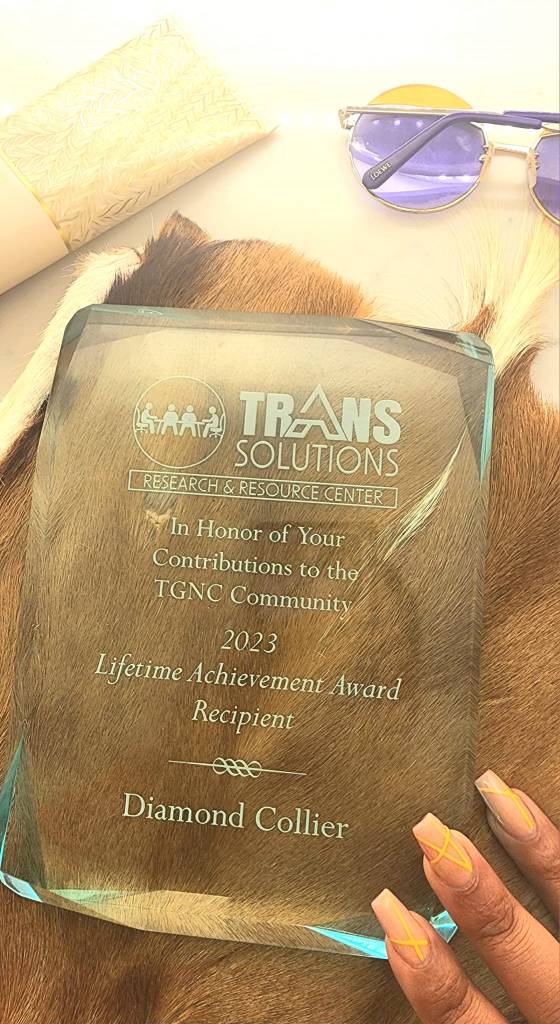
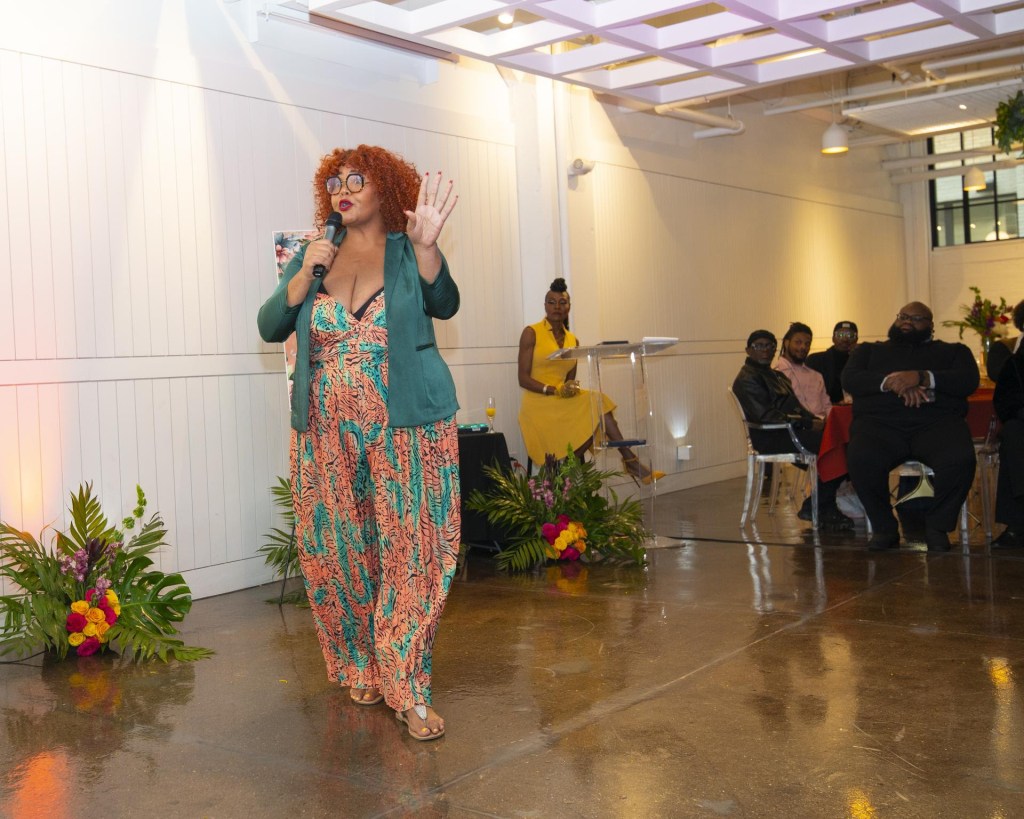

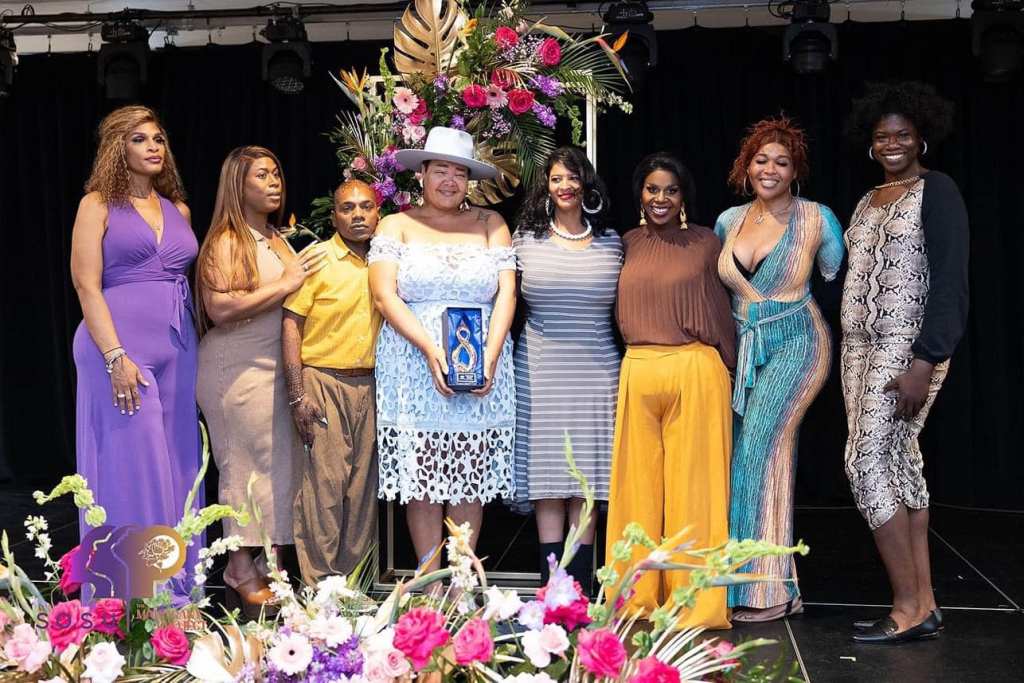



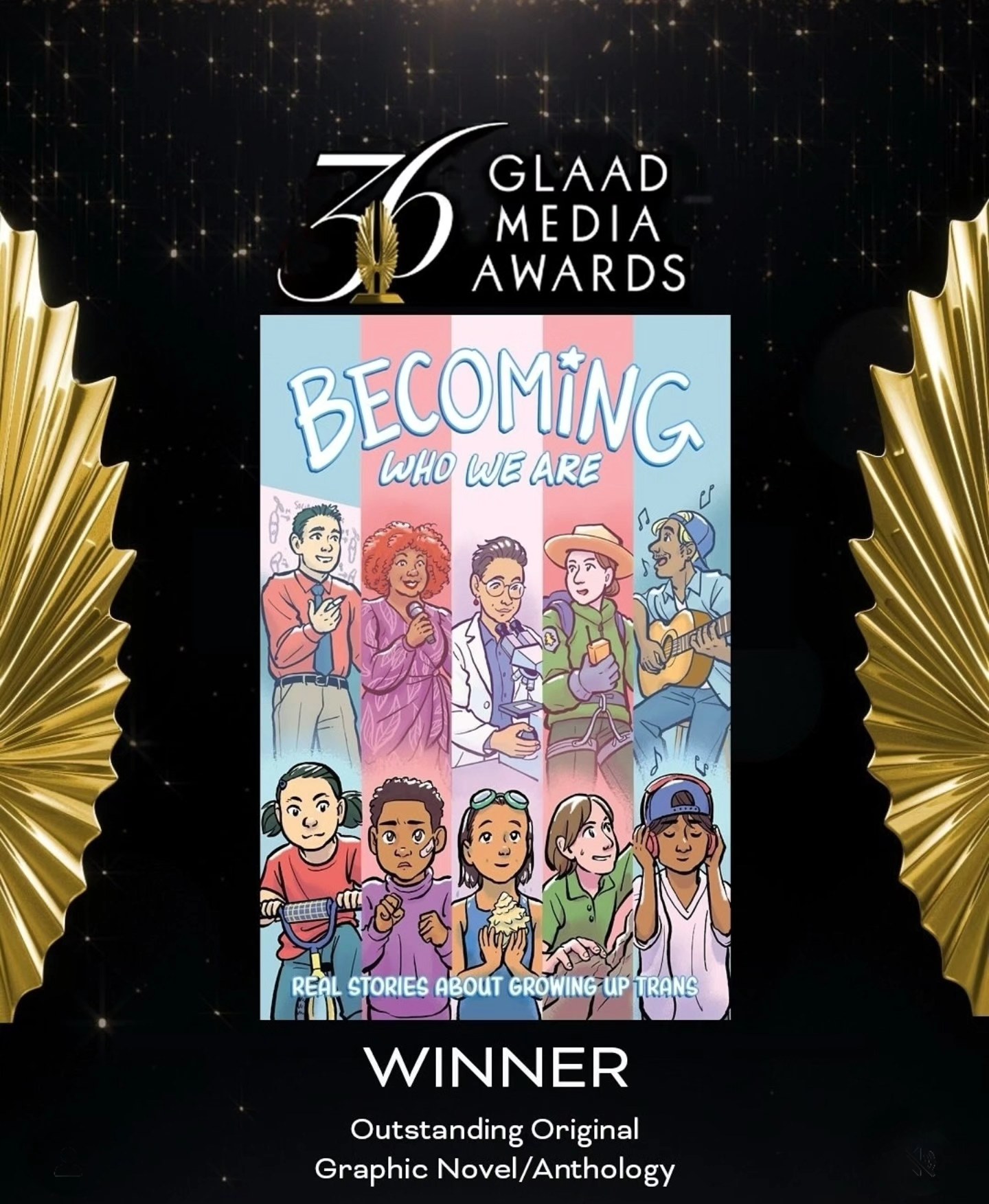


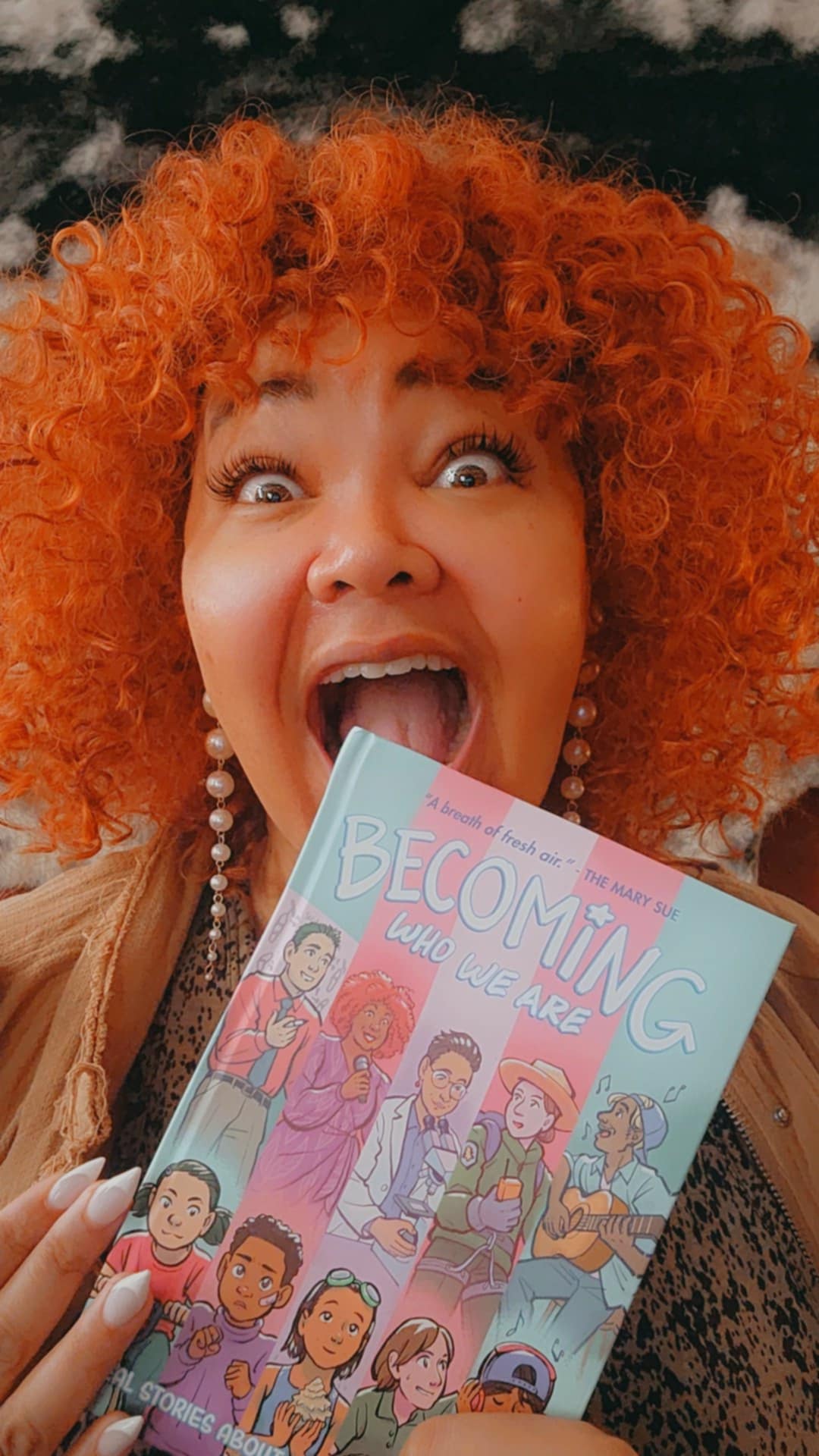


















 ) I’m currently working on a chapter about community love and I wanted to share some thoughts.
 ) These imperfect strategies we create do not produce a different world free of exploitation, where our community integrates through shared hope and care. Rather, the effect of these survival strategies is that it keep laboring activists infighting, distracted, and alive so that the real oppressor can avoid having an accountability to solve the real issue like pay us a living wage, making affordable housing accessible and abolished the carceral state.







 Diamond Stylz
U.S. v. Skrmetti Listening Party
Understanding U.S. v. Skrmetti and Its Impact on Transgender Rights
The Supreme Court recently heard oral arguments in U.S. v. Skrmetti, a case challenging Tennessee’s SB1, a law banning gender-affirming medical care for transgender youth. The case has become a landmark moment for LGBTQ+ rights, with the central issue being whether this law violates the Equal Protection Clause of the Fourteenth Amendment.
Tennessee’s SB1 prohibits healthcare providers from offering treatments like puberty blockers and hormone therapy to transgender minors while allowing similar treatments for other conditions in cisgender youth. Advocates argue this is a form of sex-based discrimination, requiring the Supreme Court to apply heightened judicial scrutiny. The Sixth Circuit Court previously upheld the law under rational basis review, sparking the current appeal.
Numerous groups, including medical associations, civil rights organizations, and LGBTQ+ advocates, have filed briefs supporting the plaintiffs. They emphasize the law’s inconsistency with medical consensus and its harmful impact on the mental health of transgender adolescents. The federal government has also intervened, underscoring the law’s constitutional implications for equality and medical access.
This case arrives at a pivotal time for transgender rights, potentially shaping future legal protections for the LGBTQ+ community in the United States. With the Court’s decision anticipated in the coming months, its outcome will have a profound impact on civil rights jurisprudence and healthcare laws.
Watch Party Alert: Join Diamond Stylz for a Live Discussion
For an in-depth look at the oral arguments and their implications, tune in to Diamond Stylz’s YouTube channel for her engaging watch party and live commentary. Known for her insightful analysis and commitment to amplifying marginalized voices, Diamond offers a space for community discussion and understanding of this critical case. Don’t miss it—head over to YouTube and join the conversation below!
Support Me By Sharing: