
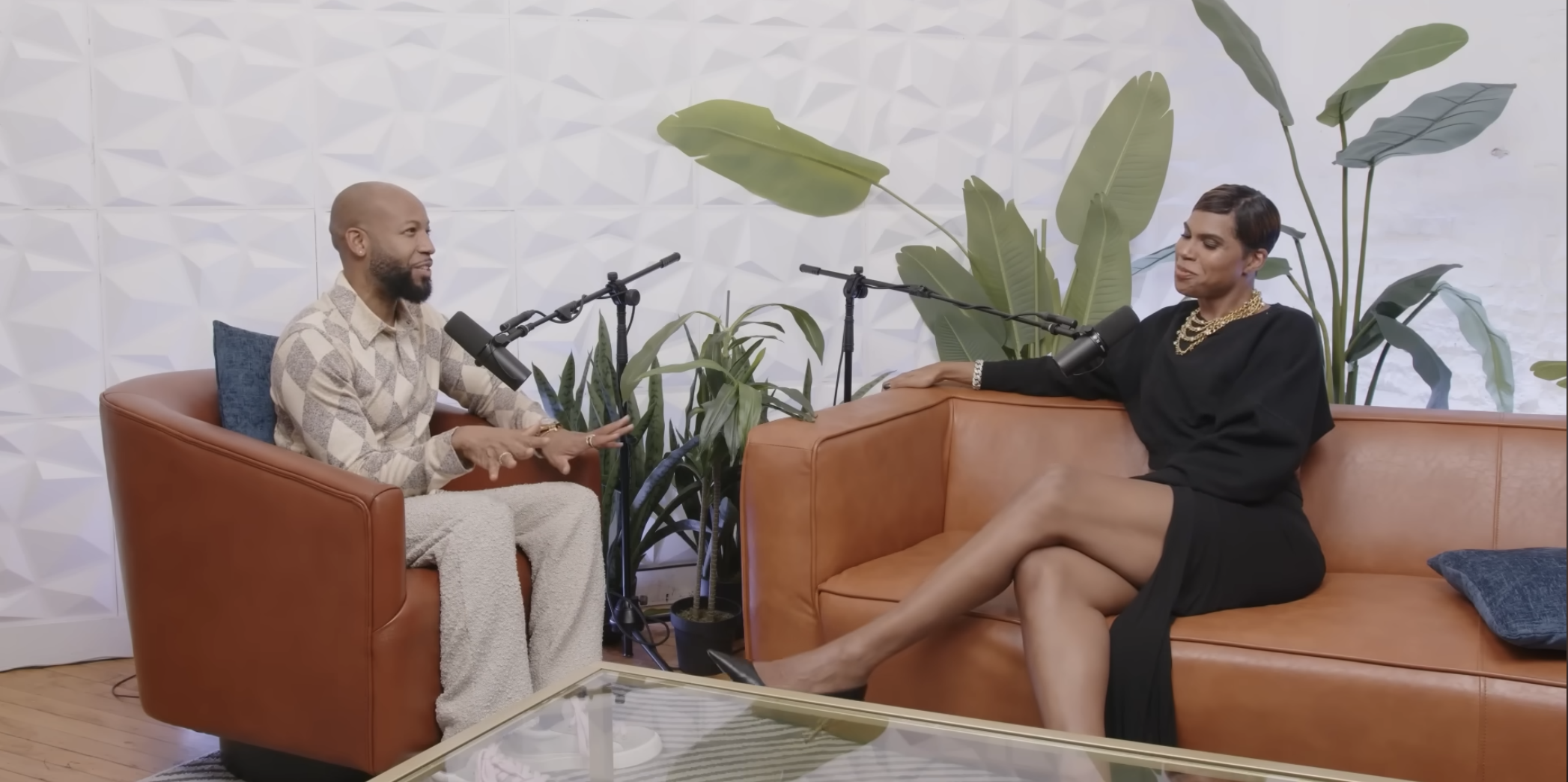
In a time where visibility is currency and conversations travel faster than care, Black women across social media, cis and trans, finds ourselves once again navigating a familiar territory: How are we catching strays from a conversation that dont got shit to do with us?
Recent discussions sparked by EJ Johnson’s interview with Carlos King have reignited tensions between cisgender and transgender women in the Black community. Ej said he looks better than all the girls in a dress and that rightful trigger some ladies. That triggering ignites the ugliness of transphobia and misogynoir to rear its ugly head on both sides. While dialogue is necessary—and sometimes uncomfortable—it also reveals deeper fractures that demand healing, not division.
At the heart of this moment is a question that feels both simple and loaded: What does sisterhood really mean?
For generations, Black women—cisgender women in particular—have carried the weight of resilience, survival, and cultural leadership. Their labor, both seen and unseen, has shaped movements, families, and identities. This truth deserves acknowledgment and respect. But honoring that legacy should not come at the cost of excluding others who also exist within the margins of Blackness.
Black transgender women, too, navigate a world that is often hostile, dismissive, and violent. They experience a unique intersection of racism, sexism, and transphobia that places them among the most vulnerable in society. Yet despite this, they continue to create, lead, and love within the community—often without the same protection or recognition afforded to others.
The tension we’re witnessing now isn’t new. It’s rooted in longstanding discomfort, willful ignorance, intentional misinformation, and, at times, fear. Conversations like the one between EJ Johnson and Carlos King can amplify these divides, especially when nuance is lost and soundbites replace substance. But they also present an opportunity—if we’re willing to take it—to move beyond reaction and toward reflection. I wanted to share a conversation I curated on Black Cis and Trans women’s sisterhood and finding it across identities and lived experiences. Take a listen
Sisterhood cannot be based on proximity to traditional definitions of womanhood, nor can it be reserved only for those whose experiences mirror our own. True sisterhood requires expansion. It asks us to hold space for difference without weaponizing it. It challenges us to listen, even when what we hear unsettles us.
This doesn’t mean ignoring the valid concerns that some cisgender women express. It doesn’t mean silencing anyone. What it does mean is approaching these conversations with care, accountability, and a commitment to collective liberation rather than individual comfort.
Because the truth is, division weakens us.
Historically, systems of oppression have thrived by turning marginalized groups against each other. When we argue over who belongs, we lose sight of what we’re fighting against. And in those moments, the very structures that harm us all remain intact, unchallenged.
Imagine, instead, what could happen if we chose solidarity.
If cisgender and transgender Black women stood not in opposition, but in alignment—recognizing that while our experiences may differ, our liberation is deeply connected. Imagine a community where protection is extended to all, where respect is not negotiated, and where identity is not a battleground.
That is the promise of true sisterhood.
And it’s one we cannot afford to abandon.
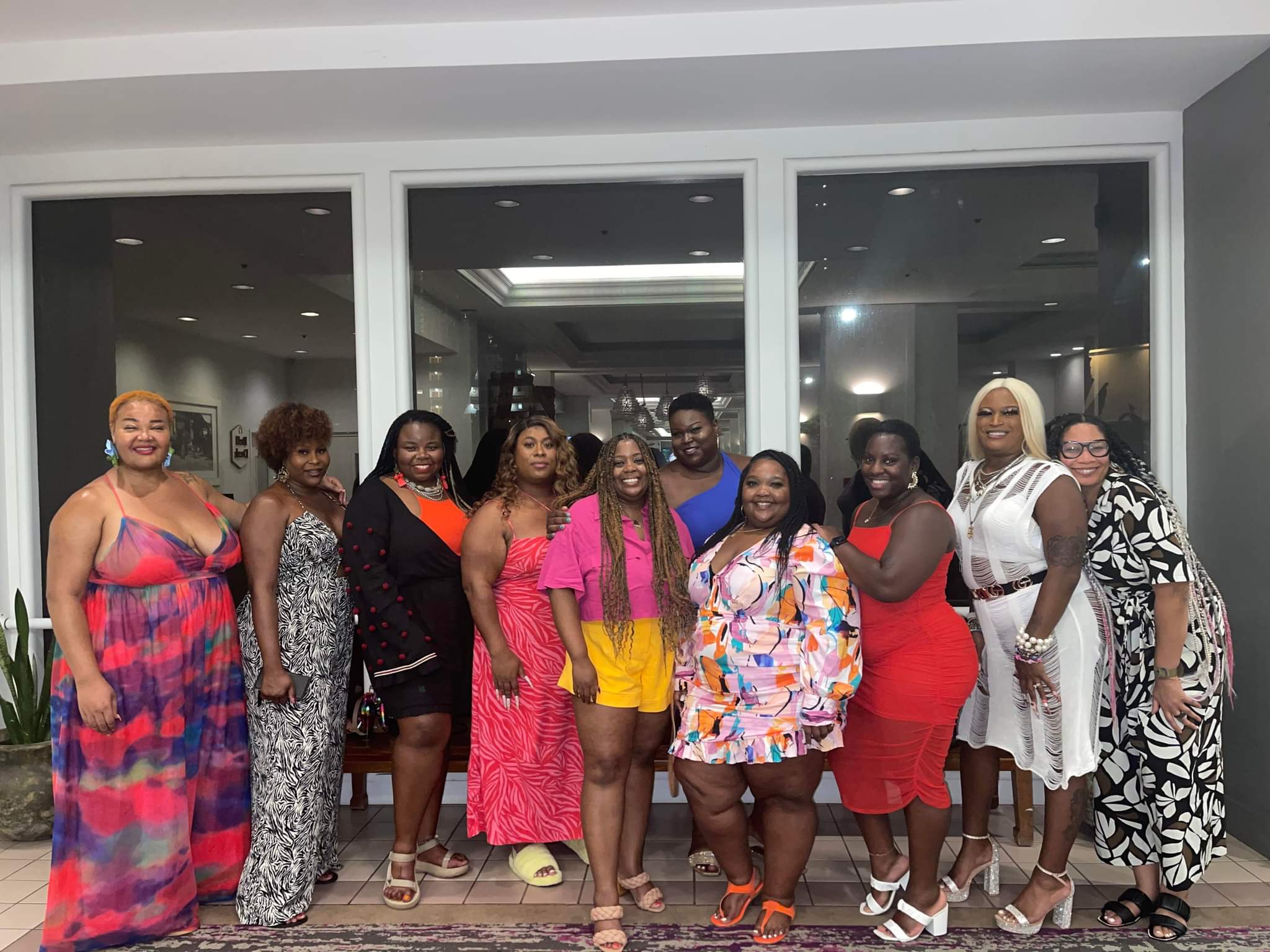
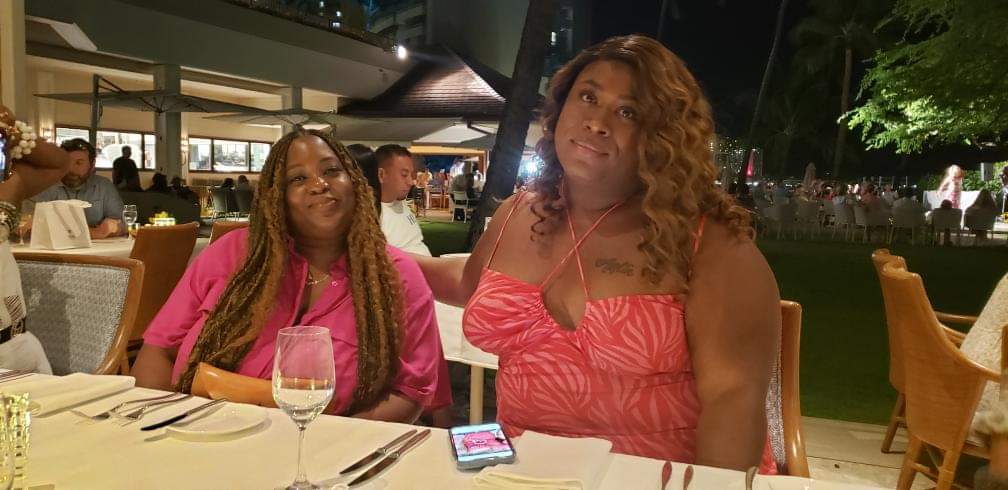
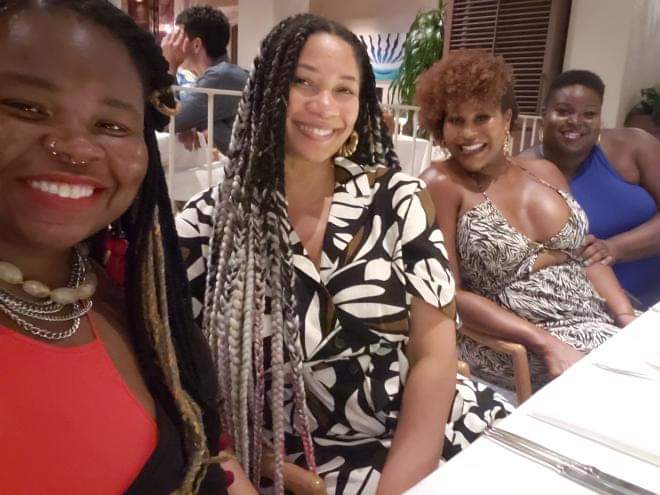
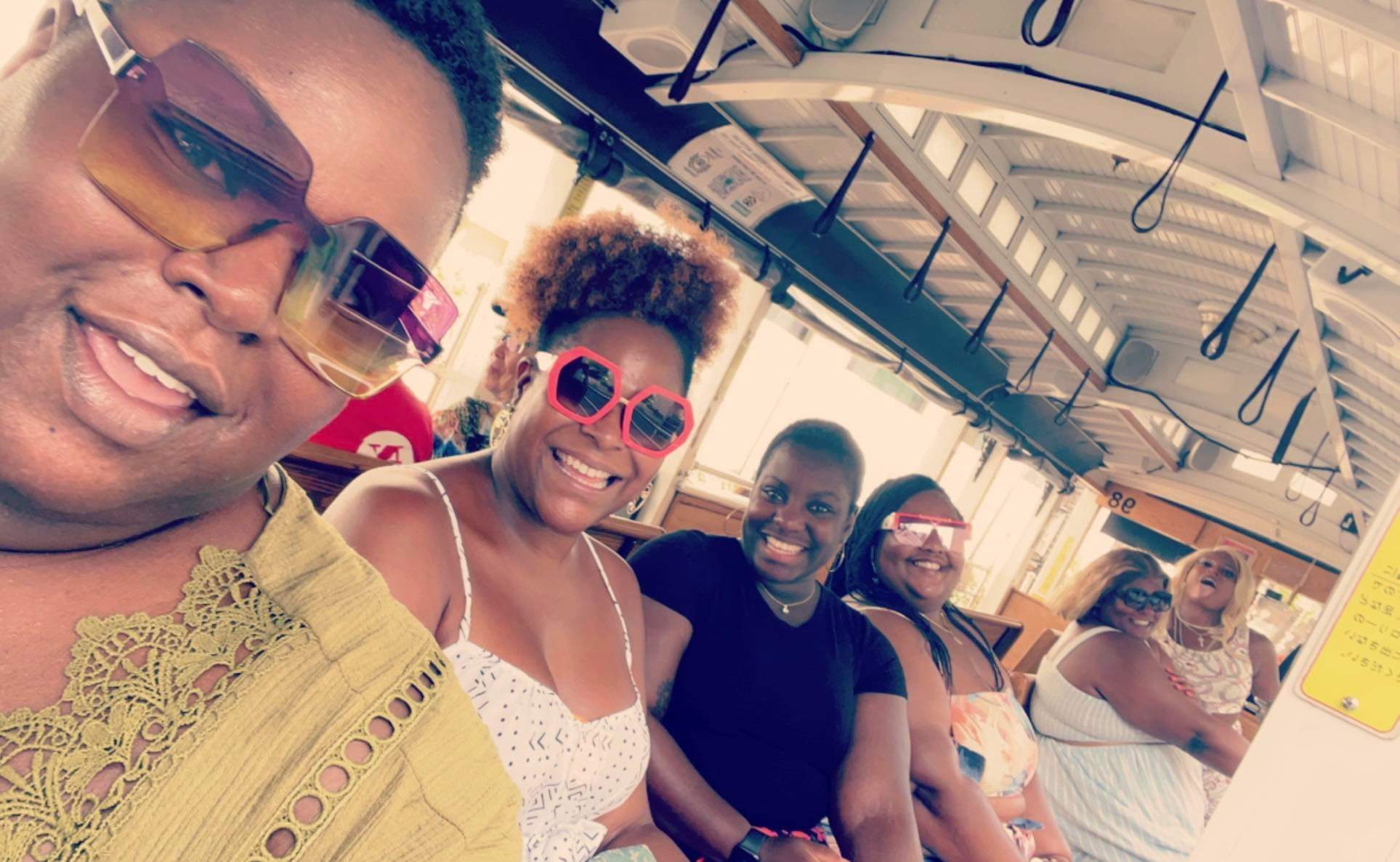
This moment, as charged as it may be, is an invitation. Not to retreat into camps or echo chambers, but to build something stronger than disagreement: understanding.
Because at the end of the day, the question isn’t who qualifies as a woman.
The question is whether we are willing to show up for each other as sisters.
And the answer to that will define the future of our community.
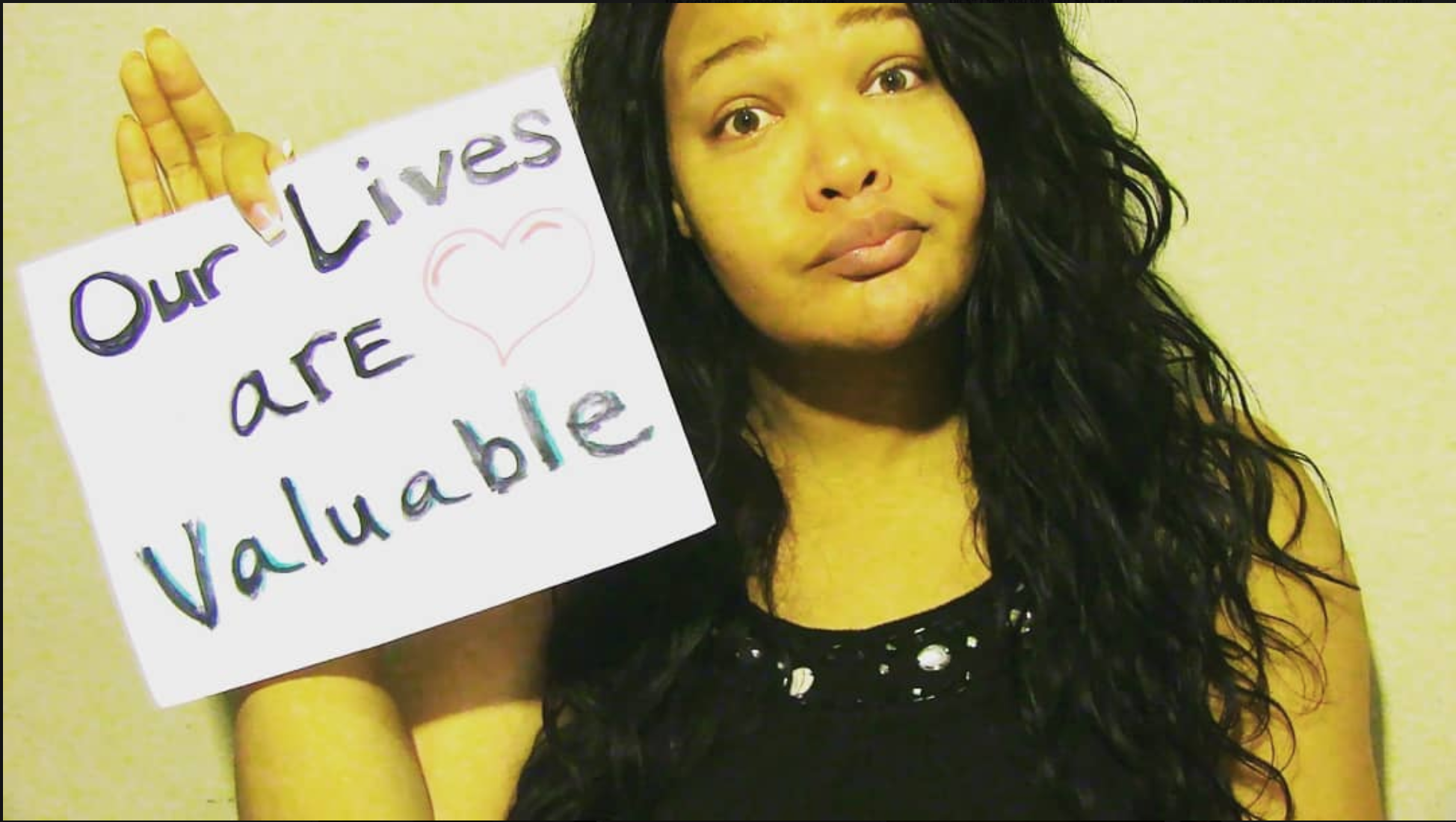
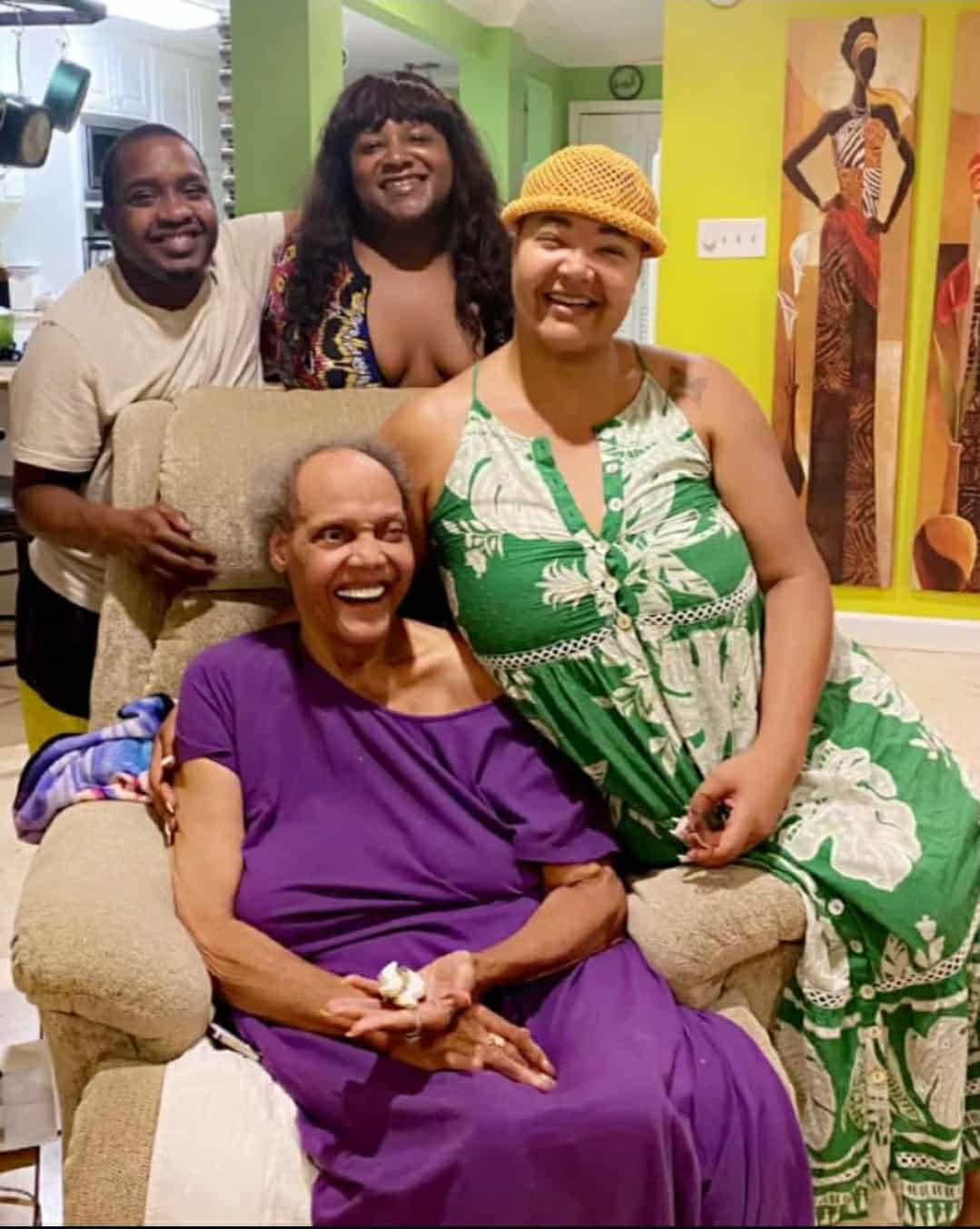

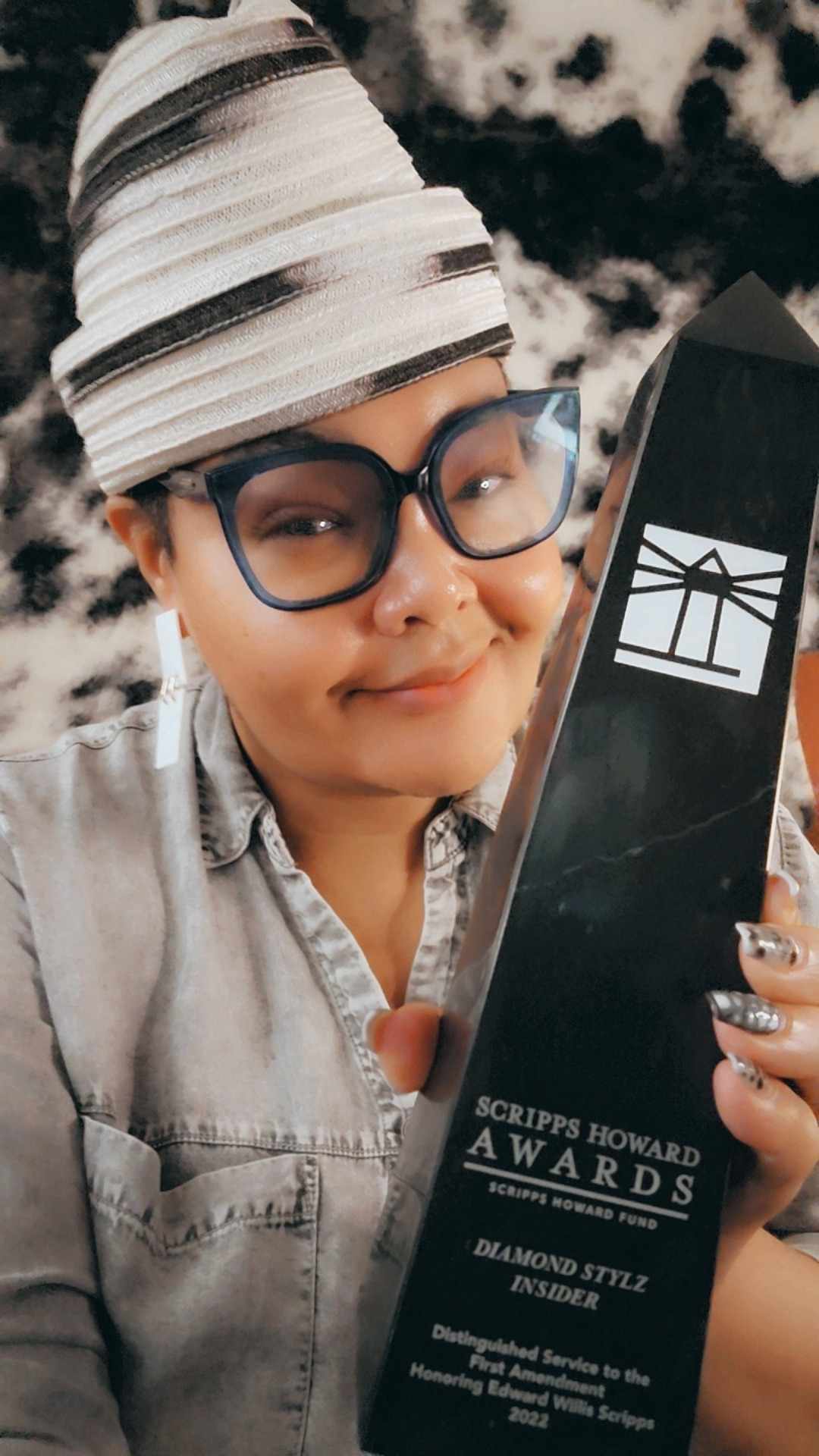






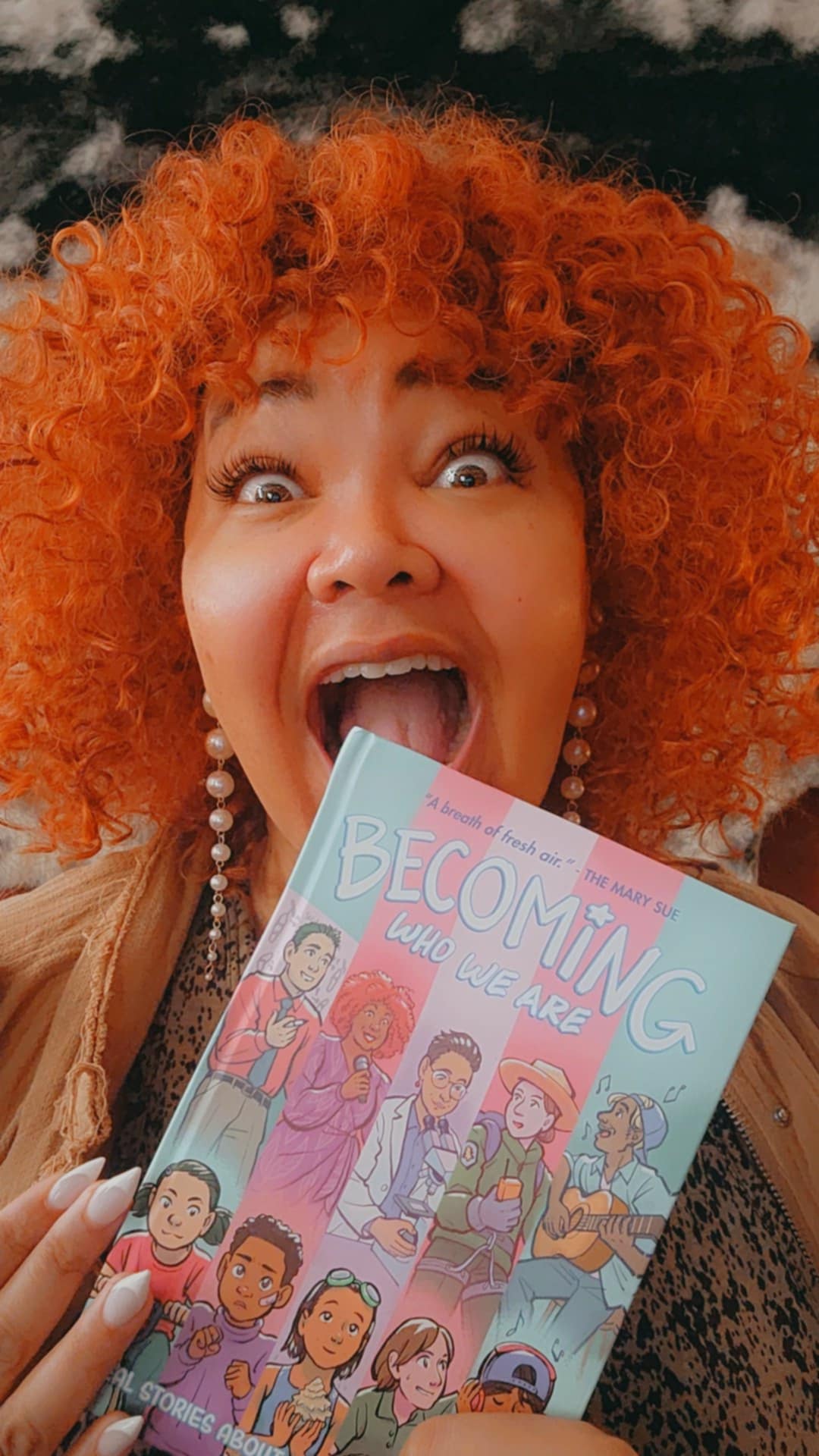













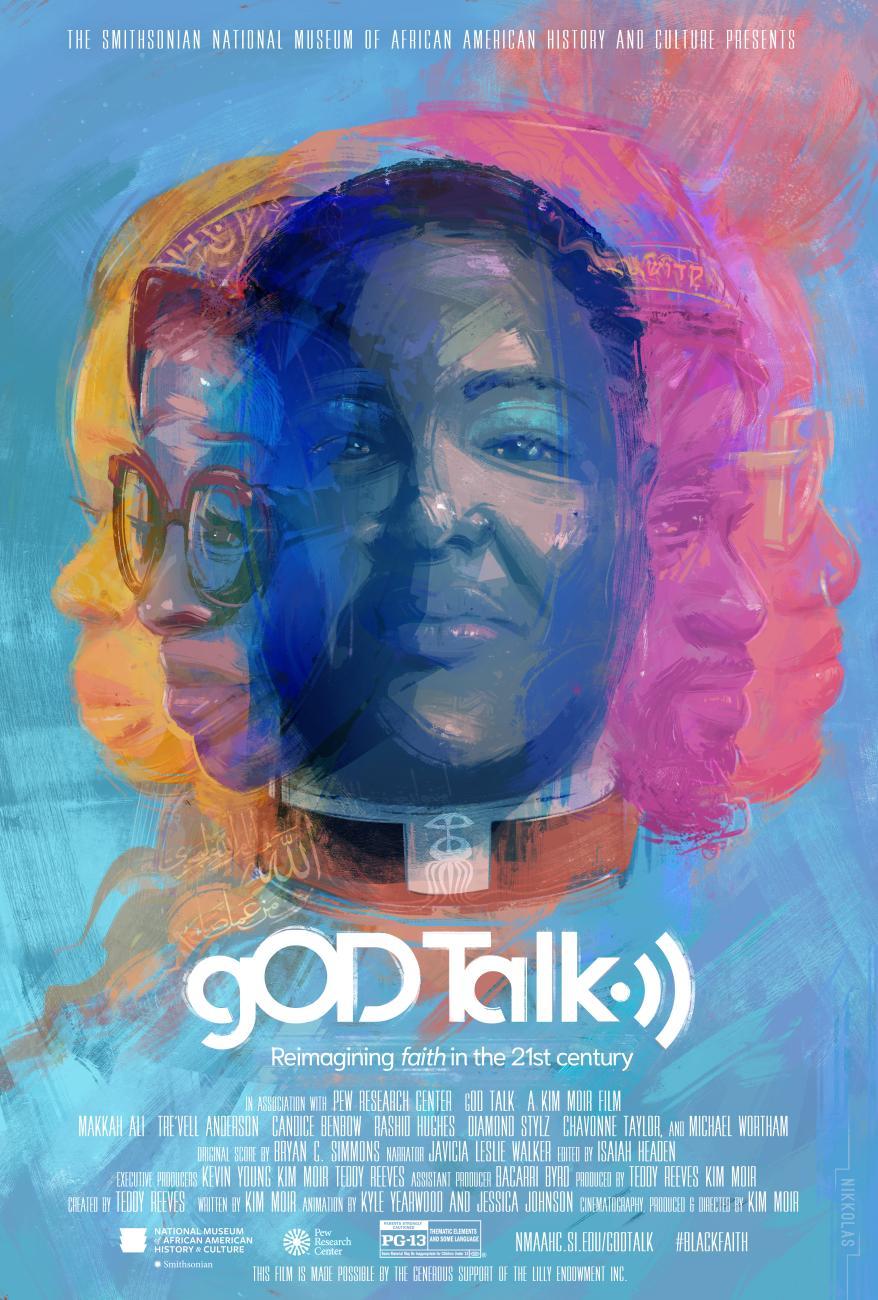
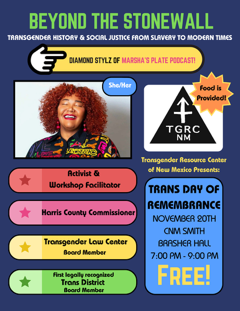


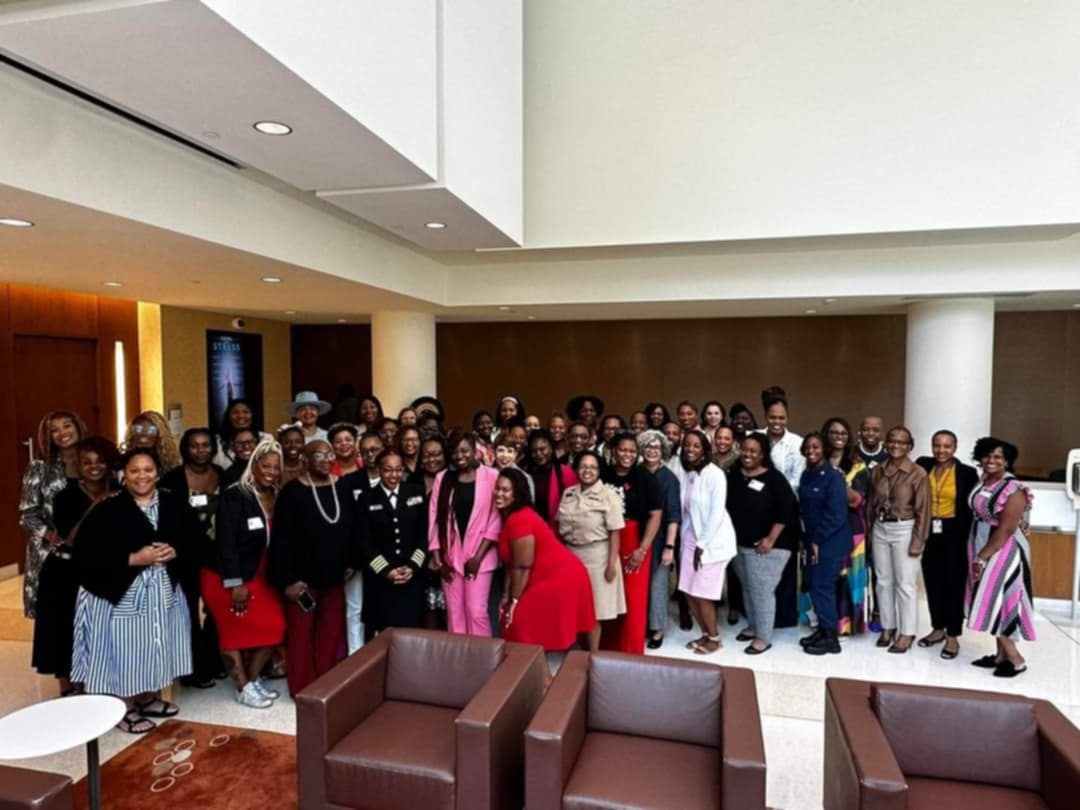


 ) I’m currently working on a chapter about community love and I wanted to share some thoughts.
 ) These imperfect strategies we create do not produce a different world free of exploitation, where our community integrates through shared hope and care. Rather, the effect of these survival strategies is that it keep laboring activists infighting, distracted, and alive so that the real oppressor can avoid having an accountability to solve the real issue like pay us a living wage, making affordable housing accessible and abolished the carceral state.


U.S. v. Skrmetti Listening Party
Understanding U.S. v. Skrmetti and Its Impact on Transgender Rights
The Supreme Court recently heard oral arguments in U.S. v. Skrmetti, a case challenging Tennessee’s SB1, a law banning gender-affirming medical care for transgender youth. The case has become a landmark moment for LGBTQ+ rights, with the central issue being whether this law violates the Equal Protection Clause of the Fourteenth Amendment.
Tennessee’s SB1 prohibits healthcare providers from offering treatments like puberty blockers and hormone therapy to transgender minors while allowing similar treatments for other conditions in cisgender youth. Advocates argue this is a form of sex-based discrimination, requiring the Supreme Court to apply heightened judicial scrutiny. The Sixth Circuit Court previously upheld the law under rational basis review, sparking the current appeal.
Numerous groups, including medical associations, civil rights organizations, and LGBTQ+ advocates, have filed briefs supporting the plaintiffs. They emphasize the law’s inconsistency with medical consensus and its harmful impact on the mental health of transgender adolescents. The federal government has also intervened, underscoring the law’s constitutional implications for equality and medical access.
This case arrives at a pivotal time for transgender rights, potentially shaping future legal protections for the LGBTQ+ community in the United States. With the Court’s decision anticipated in the coming months, its outcome will have a profound impact on civil rights jurisprudence and healthcare laws.
Watch Party Alert: Join Diamond Stylz for a Live Discussion
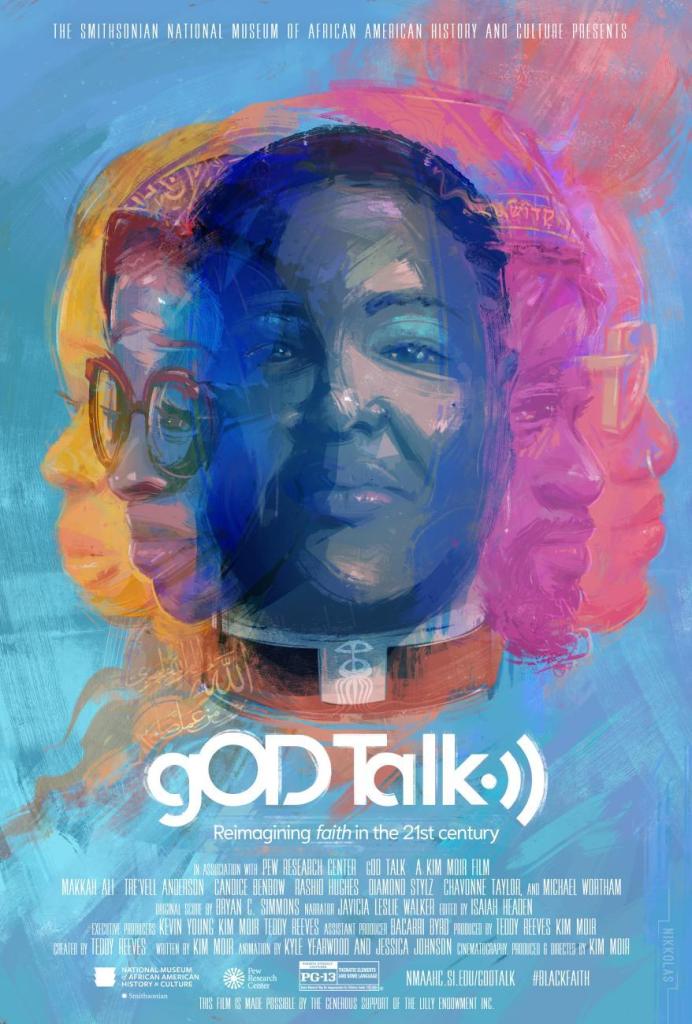
For an in-depth look at the oral arguments and their implications, tune in to Diamond Stylz’s YouTube channel for her engaging watch party and live commentary. Known for her insightful analysis and commitment to amplifying marginalized voices, Diamond offers a space for community discussion and understanding of this critical case. Don’t miss it—head over to YouTube and join the conversation below!
Support Me By Sharing: